
What Is Boarding and Why Does It Matter?
Picture this: You’ve cleared airport security, sipped your coffee, and now you’re waiting for your plane to whisk you away. But before you can recline in your seat, you’ll encounter a critical phase—boarding. Boarding isn’t just a routine task; it’s a well-organized process to ensure everyone gets to their seats safely, on time, and with as little fuss as possible. So, why is boarding such a big deal, and what should you know to make it smooth?
The Boarding Process Explained
In simple terms, boarding means passengers are officially invited to enter the plane before takeoff. Depending on the airport setup, you may board the plane directly via an enclosed jet bridge, or walk (or be bussed) from the tarmac. But before any of this, you’ll need to clear ticket and security checks. That means showing your boarding pass, passport or ID, and potentially having your carry-on luggage measured or weighed.
Once you’re through the gate, you’ll wait in a designated area before going down to the aircraft. There, you’ll need to stow your carry-on either overhead or under the seat in front of you—being organized here can save everyone valuable time.
When Does Boarding Usually Start?
The answer: It varies! Most airlines begin allowing passengers onto the plane about 60 minutes before departure, but this depends on the airline, aircraft type, and airport procedures. Information screens and loudspeaker announcements in the airport will guide you when it’s time to head to your gate and join the line.
Who Boards First?
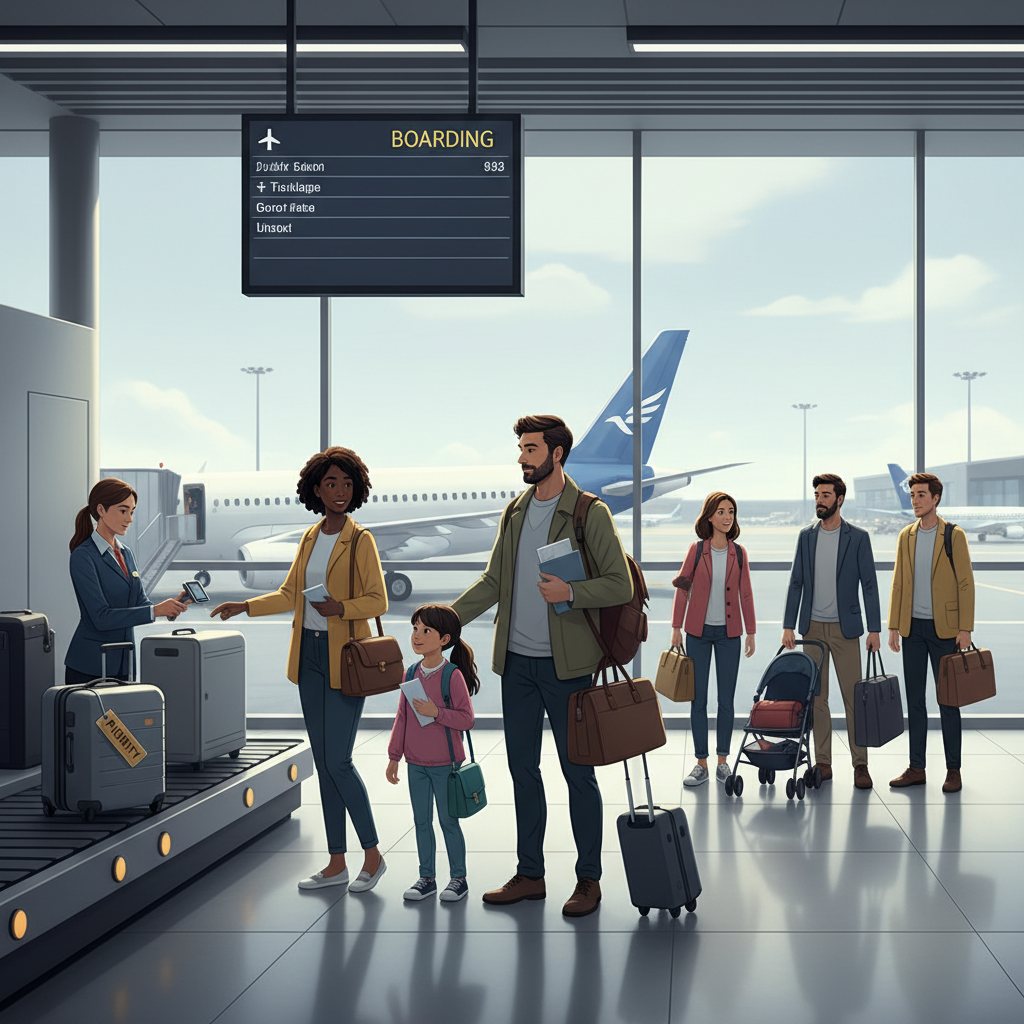
Ever noticed how some passengers seem to breeze past everyone else? That’s because many airlines use priority boarding to make things more efficient. Here’s who typically goes first:
- Priority Tickets: Travellers who purchased first-class or priority seats (often with an extra fee) get front-of-the-line access. Their documents are checked swiftly, and they’re on the plane before others.
- Families with Children: If you’re flying with little ones, most airlines let you board ahead of the crowd. This is a big help in getting settled without the rush.
- Those Needing Assistance: Passengers with mobility challenges, expectant mothers, and anyone requiring extra help are also welcomed early, making it easier for them to reach their seats comfortably.
Tips for a Smoother Boarding Experience
Whether you’re at a giant European airport or a smaller regional hub, a little planning goes a long way. It’s worth remembering these quick tips:
- Monitor the information boards and listen for boarding announcements—don’t get too absorbed in your phone or a book.
- Arrive at least 2–3 hours before your flight to allow time for check-in, security, and locating your gate.
- Move towards your gate in advance and be ready to line up as soon as boarding is called. The earlier you’re in the queue, the more relaxed your experience will be—especially important at busy airports.
What About Checked Luggage?
If you’re flying with checked baggage, there’s an extra step: You’ll need to check your suitcase at a special desk before heading to security and the gate. Only your hand luggage stays with you on the plane—your checked bag will travel in the aircraft’s hold and can be claimed at your destination.
Step-by-Step: Getting from Security to Your Seat
- Once you’ve passed security and your documents are verified at the gate, you’ll either walk to the plane via a jet bridge or board a bus to the aircraft on the tarmac.
- Follow staff directions and board via the appropriate doors (front or rear), depending on your seat assignment on the boarding pass.
- Find your seat using the row number and letter on your pass, and stow your cabin bag swiftly to keep the process moving.
Why Do Airlines Focus on Boarding?
Efficient boarding isn’t just about convenience for passengers—it’s key for airlines, too. Delays during boarding can ripple through the entire day’s flight schedule, causing headaches and even extra costs. Good planning, clear announcements, and teamwork (between airport staff and travellers) help keep things running smoothly.
Save Yourself a Headache: Get Help When You Need It
If you’ve ever run into trouble with delayed, cancelled, or re-routed flights, it’s worth remembering that you don’t have to handle claims on your own. A great solution is to consult specialists like AirCashBack. They focus specifically on helping passengers secure compensation for travel disruptions, guiding you through each step and saving you the time and frustration of dealing with airlines directly. In situations where the rules seem confusing or you’re not sure of your rights, turning to experts can really pay off.
Summary Checklist: How to Board Smoothly
- Make sure your boarding pass and ID are ready.
- Arrive at the airport well ahead of your flight.
- Pay attention to information screens and announcements.
- Know your boarding group and when you’ll be called.
- Quickly find your seat and stow your hand luggage as directed.
- Consider seeking help from pros like AirCashBack if you face travel issues—they’re there to help you claim what’s rightfully yours.
Understanding the boarding process can make your whole journey more enjoyable. It’s always worth sticking to a few key guidelines—be organized, stay informed, and don’t hesitate to get expert help when things get complicated.