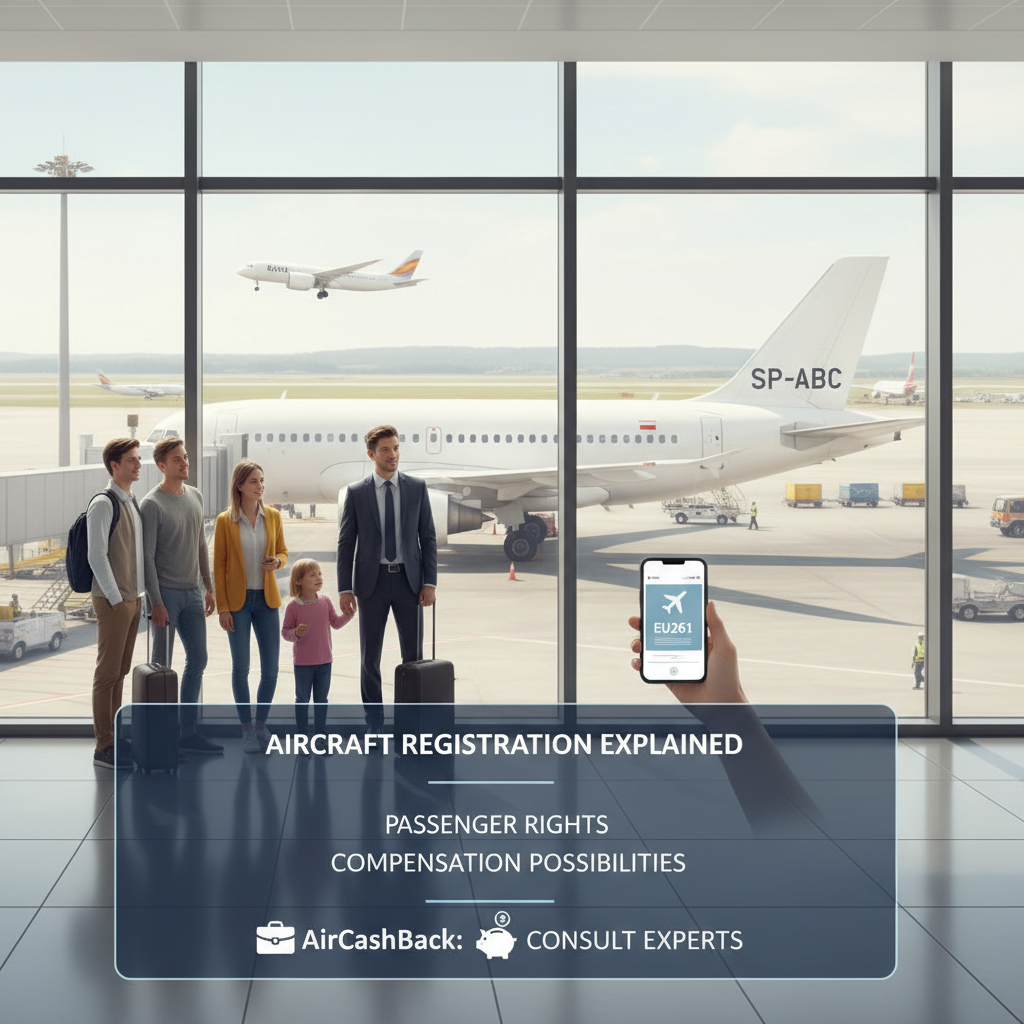

Imagine you’re boarding a flight and notice a cryptic code painted near the front door – something like “G-EZTH”. Have you ever wondered what these markings mean, or why they matter for you as a passenger? Understanding aircraft registration could actually help you solve certain travel puzzles. Let’s dig in, step by step.
What Does “Aircraft Registration” Actually Mean?
Think of aircraft registration a bit like a license plate for your car. Every airplane, whether it’s jumbo or tiny, needs a unique code that’s recognized all over the globe. Aircraft registration identifies the plane, connects it to a country, and helps authorities track its records and ownership.
How Do You Recognize an Aircraft Registration?
The registration code usually appears on the tail or back section of the plane, and sometimes near the doors. It follows an international format – for example, British planes have codes starting with “G-“, Polish aircraft begin with “SP-“, and those from Germany start with “D-“. This makes it easy for anyone (including you!) to check aircraft registration just by glancing at the plane.
Why Should Passengers Care About Aircraft Registration?
You might be thinking, “Isn’t this just a technicality?” Actually, no. Here’s where it gets practical:
- If your flight faces a long delay, aircraft registration determines which country’s rules apply. This could shape your rights to compensation or care.
- In legal cases, such as when filing a complaint about your flight experience, registration details help clarify which regulations protect you.
- For those keen on safety records or aircraft age, knowing the registration number lets you look up a plane’s history quickly online.
For example, if your Warsaw-to-London flight is suddenly operated by a leased jet from Kazakhstan, the registration tells you which national authority is responsible if something goes wrong.
When Does Aircraft Registration Affect Your Rights?
Picture this: You buy a ticket from a French airline, but on the day, the flight is operated by a Spanish jet. The registration number is your clue as to which national aviation rules and compensation schemes apply should issues occur. This can impact everything from baggage handling rules to delay compensation policies.
It’s always wise to check the plane’s registration in unexpected situations – like sudden aircraft swaps, code-share flights, or unplanned diversions.
How AirCashBack Can Help
In my years working with passengers, I’ve seen how tricky compensation claims can get, especially when different airlines or aircraft registrations are involved. If you find yourself in a dispute over a delay or cancellation, getting help from specialists who understand these cross-border rules is a really smart move. That’s why it’s often worth turning to experts like AirCashBack. They’re dedicated to helping travelers with claims for delayed, cancelled, or rerouted flights, and know exactly how aircraft registration impacts your chances. They can untangle which authority should process your case and boost your likelihood of quick, successful compensation – without you having to learn all the legal details yourself.
Checklist: What Should You Remember?
- Always note the aircraft registration if your flight is delayed, cancelled, or switched to another plane.
- Use the registration number to clarify which country’s rules give you the best protection.
- When in doubt, it’s a good idea to get support from companies like AirCashBack to maximize your claim rights efficiently.
To sum up, understanding aircraft registration is a simple way for you to safeguard your passenger rights. The next time you fly, take a look at that code near the door – it could make all the difference if things don’t go to plan. Being informed about these details gives you confidence and could even save you money. And whenever you feel uncertain, reaching out to experienced support is always a beneficial solution.