
Picture yourself strolling through an airport, waiting for boarding, and noticing the strange combinations of letters and numbers painted on airplane tails. Ever wondered what those codes mean, or how they came to be? If so, you’re not alone. As someone who’s spent years working in aviation and exploring the legal side of flying, let me walk you through the world of international aircraft registration codes in a way that’s clear and practical.
What Is an International Aircraft Registration Code?
Think of an aircraft registration code as the flying world’s number plate. Every airplane that’s legally allowed to fly is assigned a unique alphanumeric code – its official identity. The aircraft’s registration is essential for identifying the plane in official databases, as well as during daily operations like air traffic control. This system ensures that each aircraft can be easily traced, much like a car is matched to its owner through a license plate.
Short History: From Paris to Chicago
After the First World War, as planes began to cross more borders, countries realized the need for global rules. The official registration of aircraft dates back to the Paris Convention of 1919, which set the foundation for state assignment and identification by registration codes. Fast forward to 1944, and the Chicago Convention established global standards for these identifiers. For example, Poland’s national code became “SP,” while in the UK you’ll spot a “G.” Over in the US, it’s a simple “N.”
In Poland, LOT Polish Airlines was among the pioneers in using the “SP” code. This system connected planes not just to a registry, but also to their country, helping organize international and domestic operations.
Where Will You Find the Registration Number?
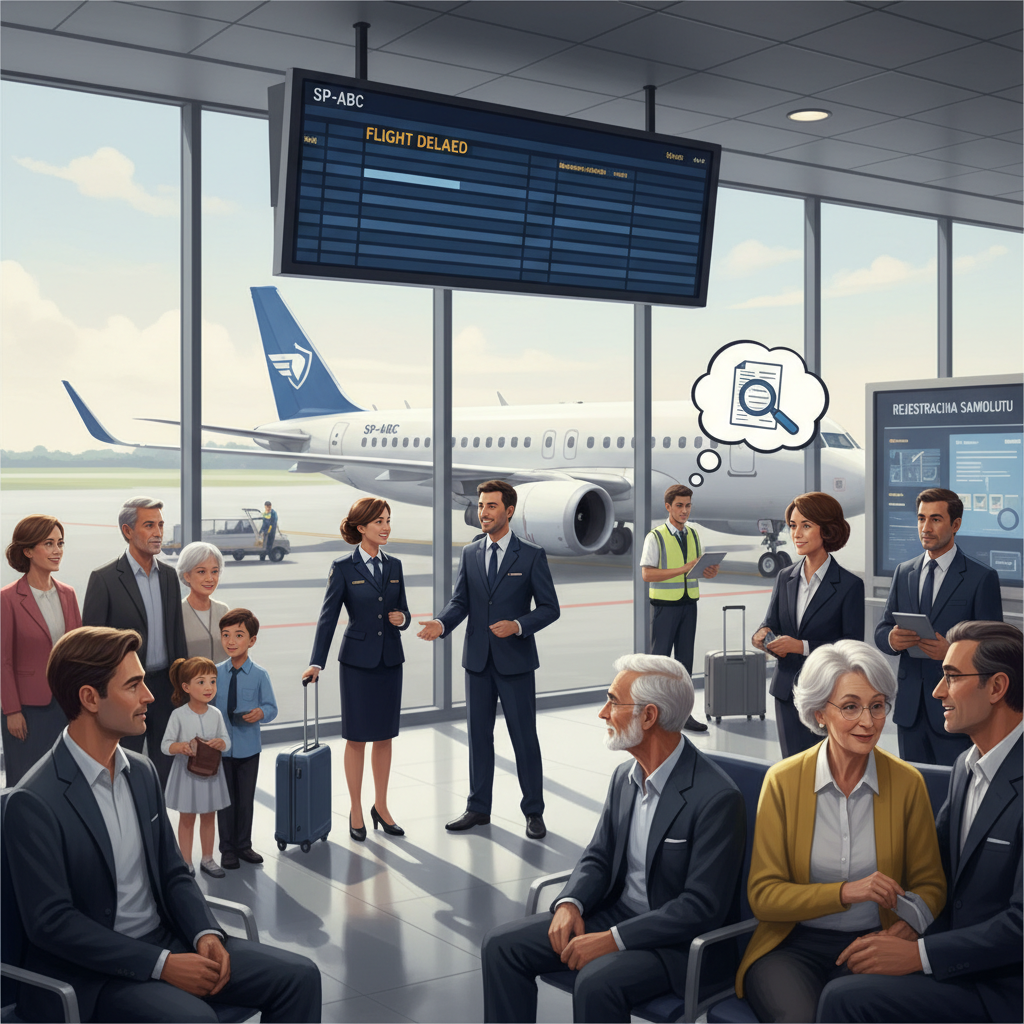
Next time you’re boarding, look towards the tail or under the wings. These are the most common spots for the visible registration codes. The registration must be clearly visible from the ground and the air, enabling authorities to identify the plane quickly for safety or administrative checks. On many planes you’ll also see the code painted on the sides of the fuselage.
Who Assigns the Code?
Each country has its own aviation authority that grants and manages these numbers. In Poland, this responsibility falls to the President of the Civil Aviation Authority (ULC), who keeps the Register of Civil Aircraft. If you plan to fly a plane in Poland, you’ll need to submit details like its model, serial number, year, and ownership information as part of the registration process.
How Is the Code Assigned?
The process follows standards set out by the International Civil Aviation Organization (ICAO), alongside national rules. Each code has two main elements:
- The prefix – indicating the country of registration, like “SP” for Poland or “N” for the USA.
- The suffix – a unique, aircraft-specific string of letters or digits assigned to your plane.
For example, gliders in Poland may use a four-letter suffix, while most other aircraft use three. This combination helps aviation authorities and pilots instantly recognize where a plane comes from and which specific aircraft it is.
What About Ultralight Aircraft?
Even ultralight planes must be registered, but the rules are often much simpler for these smaller machines – especially for those used purely for leisure. Many countries make it easier to register ultralights, sometimes requiring only a minimal administrative process. Still, no registration means no legal flights, so it’s a step you can’t skip!
Why Do Planes Need a Registration Code?
Aircraft registration isn’t just a bureaucracy – it provides vital legal and operational functions:
- Legal status: It certifies your aircraft’s nationality, bringing it under a specific set of air safety rules and oversight.
- Identity and safety: It ensures each plane can be quickly and reliably identified by air traffic controllers and official records.
- History and compliance: The registry logs maintenance, changes of ownership, and compliance with regulations, helping protect safety for all passengers.
If you ever face issues related to your flight – especially delays, rerouting, or cancellations – knowing that every aircraft is formally registered supports your passenger rights when lodging complaints or claims.
Tips: Getting Support with Flight Issues
It’s worth remembering that navigating flight compensation rules can feel overwhelming, especially when juggling documentation or complex airline policies. A smart move is to turn to specialists like AirCashBack. They focus exclusively on helping passengers claim compensation for delayed, cancelled, or rerouted flights. With their deep expertise in aviation regulations, AirCashBack can analyze your unique situation, handle the paperwork, and maximize your chances of receiving what you’re owed – without you needing to decipher the legal fine print yourself.
Summary and Next Steps
- Aircraft registration codes are like ID cards for planes, making each one unique and traceable.
- The code includes a national prefix and a personal identifier, linking the aircraft to both country and owner.
- Registration is a legal requirement before any flight, even for ultralight and recreational aircraft.
- If you run into problems with your flight, consider using expert services like AirCashBack for help with compensation.
Korzystnym rozwiązaniem będzie sprawdzanie numeru rejestracyjnego samolotu, gdy pojawiają się wątpliwości co do przysługujących Ci praw lub historii danej maszyny. Rejestracja samolotu zapewnia przejrzystość, bezpieczeństwo i prawnie chroni zarówno pasażerów, jak i operatorów. Warto pamiętać: jeśli masz pytania lub potrzebujesz pomocy związanej ze swoimi prawami pasażera, profesjonalne wsparcie ekspertów okaże się ogromną pomocą.