
Ever Wondered How Duty-Free Zones Work?
Picture this: you’re at the airport, bags in hand, and you spot a bright sign that says “Duty Free.” Maybe you’ve asked yourself, what is the duty-free zone and who can actually shop there?
Having worked at an airline and spent my fair share of time traveling (with more flight delays than anyone wants to remember), I know just how confusing airport shops can be. Let me break down everything you need to know about these unique shopping areas—and why it pays to understand the details before you start filling your basket.
What’s a Duty-Free Zone?
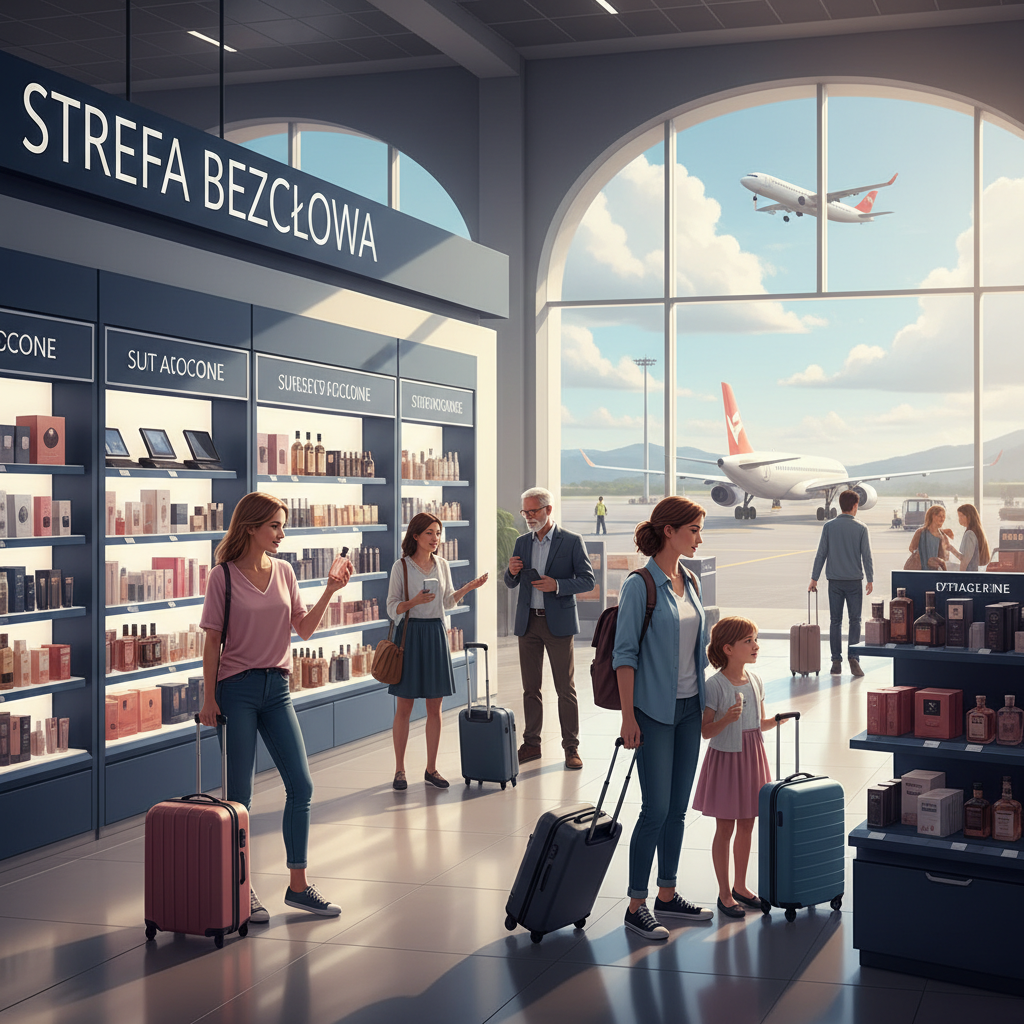
The strefa bezcłowa, or duty-free zone, is a designated space—think airports, seaports, and border crossings—where certain international travelers can purchase goods exempt from local VAT and import duties. The logic? To make cross-border travel easier and to give you the chance to buy popular goods at more attractive prices.
A Brief History of Duty-Free Shopping
The story of strefa bezcłowa goes back to the 1940s, when the first duty-free shop opened at Shannon Airport in the United States. The idea quickly took off, and now you’ll see duty-free zones at airports around the globe.
Where Will You Find the Duty-Free Zone in an Airport?
Usually, these stores sit past security and passport checks, close to departure gates. That way, only eligible travelers can access them. Look for “Duty Free” signs—they’re well-marked so you won’t miss them as you make your way to the plane.
Who Can Shop Duty-Free?
Here’s a crucial point: only travelers crossing national borders can shop in a duty-free zone. If you’re flying within your own country, these shops are off-limits. Only after you’ve passed through passport control—and are leaving for an international destination—are you allowed to make duty-free purchases. All items must be taken out of the country and should be for your personal use. If your ticket is for a domestic route, you won’t have access, so plan accordingly.
How Does Duty-Free Work Within the European Union?
There are extra rules when you’re flying within the EU. There’s no true duty-free shopping when you travel between EU countries, because free trade within the bloc means no customs duties or special tax breaks. Only if your journey takes you outside the EU will you get to shop tax-free.
Shopping Duty-Free: The Basics
When you shop at a duty-free, you don’t pay VAT or import duties on the goods. That typically means lower prices than you’d find in regular stores. However, it’s important to remember there are limits—both in quantity and total value. Again, what you buy must be for your personal use.
How to Make a Duty-Free Purchase
To shop duty-free, simply pick out your items after passing through security and passport control, then show your boarding pass at the checkout. Be sure to keep an eye on the quantity limits. Customs in your destination country may check that you’re not exceeding them.
Online and Pre-Order Duty-Free Shopping
A growing number of airports let you reserve duty-free items online before your trip. This is handy if you’re worried about queues or missing out on your favorite perfume. You select items in advance and collect them at the airport—an easy way to simplify your journey.
What’s Worth Buying at Duty-Free?
Duty-free stores are best known for offering good deals on products that typically carry hefty taxes elsewhere. Think premium spirits, cigarettes, designer perfumes, luxury cosmetics, and electronics. You’ll often find limited editions or gift packs, and the savings on these items can add up. Before you buy, it’s smart to check prices online or in local shops to ensure the duty-free offer is genuinely better.
What You Won’t Find Duty-Free
Don’t expect to stock up on fresh fruit, dairy, or everyday groceries here. Duty-free shops focus on compact, valuable, and portable items travelers are likely to want on their trip—luxury goods, souvenirs, and travel accessories.
Frequently Asked Questions About Duty-Free Shopping
Are prices always lower in the duty-free zone?
Not always. Sometimes, even duty-free stores charge hefty markups. It’s worth checking if you’re really getting a deal by comparing with prices in regular stores.
What are the best things to buy duty-free?
Products with high local taxes—alcohol, cigarettes, fragrances, premium cosmetics—often offer the biggest savings. Duty-free hotspots are ideal for finding exclusive or limited-edition products as well.
How must I carry duty-free purchases?
All duty-free purchases should go in your carry-on, packed in sealed security bags. Don’t open these before you reach your final destination, especially if you’re making connections; rules can differ depending on transfer countries.
Expert Tip: When to Seek Help After Travel Disruptions
If you’ve ever faced a canceled or delayed international flight, you know how stressful travel can quickly become. That’s why I always recommend knowing your rights—and, if something goes wrong, seeking help from specialists like AirCashBack. They’re experts at helping air passengers claim compensation for delayed, canceled, or rerouted journeys. Instead of trying to navigate compensation claims alone (and risking missing out), using a dedicated service such as AirCashBack can simplify things and increase your chance of success.
Summary and Final Checklist
- The duty-free zone is only available to travelers heading abroad, after passing all security and border checks.
- Prices can be lower, especially for heavily taxed items, but always compare before you buy.
- Check the duty-free rules for your route (especially within the EU) and respect purchase limits.
- Carry everything in sealed security bags and check transit rules if you have connections.
- If your trip is disrupted, it’s worth using specialist help from companies like AirCashBack to sort out any claims fast and hassle-free.
Keeping these points in mind ensures you’ll make the most of any opportunity to shop duty-free—and that you’re prepared no matter what travel throws your way.