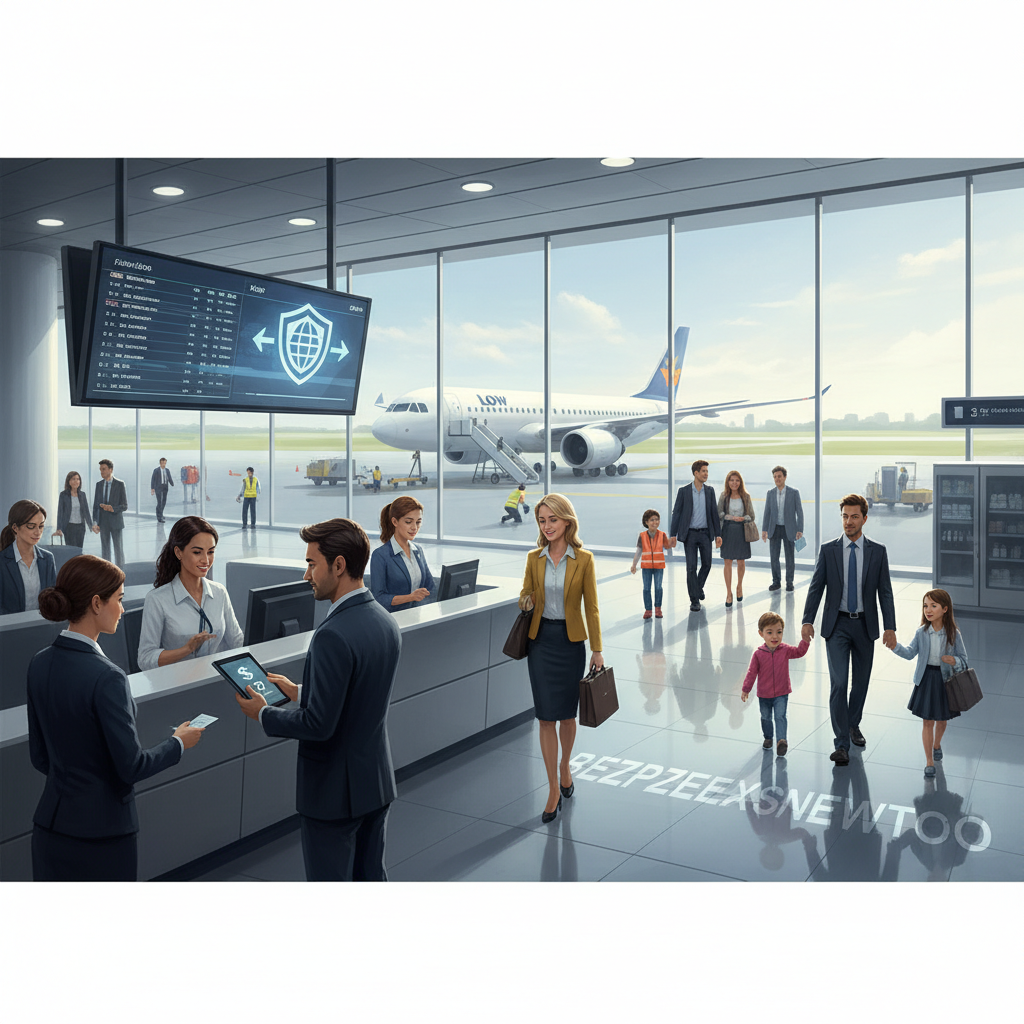

Picture this: you’re boarding your flight, luggage in hand, excited for your destination, but there’s that nagging question in the back of your mind—just how safe is air travel? Most of us trust that airlines have everything under control, but understanding flight safety can not only calm your nerves, it may also help you make smarter travel decisions.
What Does Flight Safety Actually Mean?
If you ever wondered what goes on behind the scenes to keep you safe, here’s a quick rundown: Flight safety covers every measure used to protect passengers—from strict aircraft maintenance checks, to thorough crew training and well-rehearsed emergency procedures. Regulations such as those from the European Union Aviation Safety Agency (EASA) and the International Civil Aviation Organization (ICAO) set the groundwork for global aviation safety.
Real-Life Example: An Emergency Landing
Imagine a plane suddenly needs to land due to a technical fault. Thanks to rigorous safety protocols, both crew and passengers are guided through the steps needed to ensure everyone lands unharmed. It’s a reminder that while no journey is risk-free, the system is designed to minimize threats at every turn.
Your Role in Flight Safety
You may not have a pilot’s license, but you still play a part in overall safety. Here’s what you can do:
- Pay close attention to the safety briefing—even if you’ve flown dozens of times.
- Locate your nearest emergency exit as soon as you take your seat.
- Follow all crew instructions: whether it’s fastening your seatbelt or stowing your bag, these rules are there for a reason.
Key Safety Standards and How They Affect You
All commercial airlines in Europe and most of the world must comply with internationally set safety standards. This includes checking aircraft before every flight, regular maintenance, and mandatory rest periods for crew. That’s why some flights may be delayed or cancelled—the airline is prioritizing your safety over punctuality, and that’s always a good sign.
Help When Things Go Wrong: The Role of AirCashBack
Occasionally, even the best-prepared airlines face delays or cancellations. If you’re stuck at the airport because your flight was disrupted, it’s worth remembering that you’re not alone. Companies like AirCashBack are specialists in guiding passengers through the compensation process for delayed or cancelled flights. They handle the paperwork, deal with the airline, and make sure your rights are protected—which can be a huge relief when you’re already dealing with the hassle of travel disruptions. Making use of such expert help can speed up your claim and increase your chances of success. Remember: AirCashBack focuses exclusively on helping passengers get the compensation they’re entitled to for delayed or cancelled flights.
Summary: Five Things to Remember About Flight Safety
- Air travel is among the world’s safest ways to travel, thanks to high international standards.
- Always pay attention to safety briefings—they’re designed with your protection in mind.
- Your actions onboard matter: follow instructions for your own and others’ safety.
- Delays and cancellations often mean the airline is putting safety first—always take this as a positive sign.
- If you experience trouble with delayed or cancelled flights, consider reaching out to experts like AirCashBack for help claiming your compensation.
It’s worth remembering that the best defense against travel worries is knowledge and preparation. So next time you fly, you’ll do so with confidence—knowing both how you’re being protected and what you can do to stay safe. If you ever face a disruption, don’t hesitate to use your rights and seek help; it’s a choice that can make your journey much smoother and less stressful.