
What Happens When Regional Airports Face Steep Tax Increases?
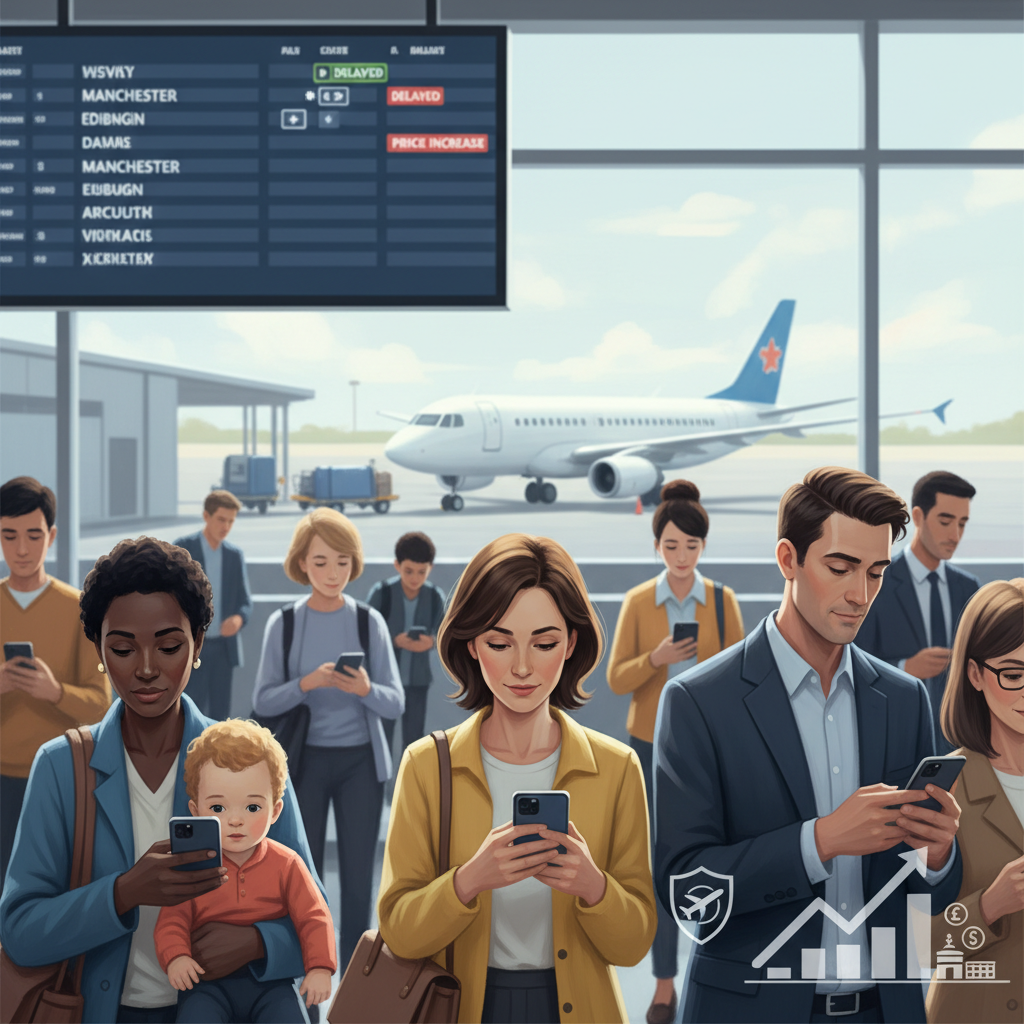
Picture this: You’re booking your flight from Manchester or Bristol, hoping to find a good deal on tickets. But suddenly, prices seem noticeably higher. There’s a reason for that – and it comes down to a new wave of property tax changes impacting regional airports across the UK.
Understanding the New Property Tax Rules
The British government’s latest property revaluations – the base for business rates – have landed particularly hard on regional airports. While big names like Heathrow and Gatwick will also pay more, it’s the smaller hubs outside London that face the steepest hikes.
Imagine a scenario where the value used for tax calculations jumps more than six times its previous level. That’s exactly what’s happening, according to research from international advisory firm Ryan. Even with some temporary relief measures in place, these regional airports are looking at some of the biggest tax increases anywhere in the country. For most, their bills are set to double over the next three years.
Manchester Airport Hit the Hardest
If you’re flying from the north of England, it’s worth knowing that Manchester Airport is the most severely affected by the reform. Its property tax is about to rise by £4.2 million, reaching an annual total of £18.1 million. That’s a significant added burden for an airport that serves millions every year.
It’s not just Manchester, either. Regional airports such as Bristol, Birmingham International and Newcastle International will all feel the squeeze.
How Will This Affect Ticket Prices?
Why should this matter to you as a passenger? As Alex Probyn from Ryan points out, these airports simply can’t bear these additional costs on their own. The likely result? Higher airport fees, increased costs for airlines – and, in the end, more expensive air tickets for everyone.
Airport operators are already warning that these new expenses might also mean less investment in facilities and infrastructure – which could impact your travel experience in the future.
What Should Passengers Do?
If you’re planning ahead, it’s worth remembering that flight ticket prices may keep rising as these changes take effect. This ripple effect is likely to hit frequent flyers and businesses relying on international routes the most.
When costs go up, knowing your rights and options becomes even more important. That’s why it can be beneficial to consult with claim specialists, such as AirCashBack. They focus on helping passengers get compensation for delays, cancellations, or re-routed flights, making the claims process smooth and hassle-free. Sometimes, navigating compensation rules on your own is overwhelming – having expert help means you won’t miss out on any entitlements you’re due.
Summary and Action Steps for Travellers
- Property tax hikes mean rising costs for regional airports.
- These increases will almost certainly lead to higher ticket prices for passengers.
- Manchester Airport faces the largest increase, but several other airports are affected too.
- Reduced investment in airport facilities may follow.
- It’s a good idea to keep track of changes and know your rights, especially if disruptions occur.
- Consider using services like AirCashBack to maximize your passenger compensation when trouble strikes.
In summary: tax hikes are putting pressure on UK regional airports, and that pressure will likely be transferred to you as a passenger. It’s worth staying informed, planning ahead, and remembering that expert support – whether for understanding new charges or claiming compensation – is often the smartest move.