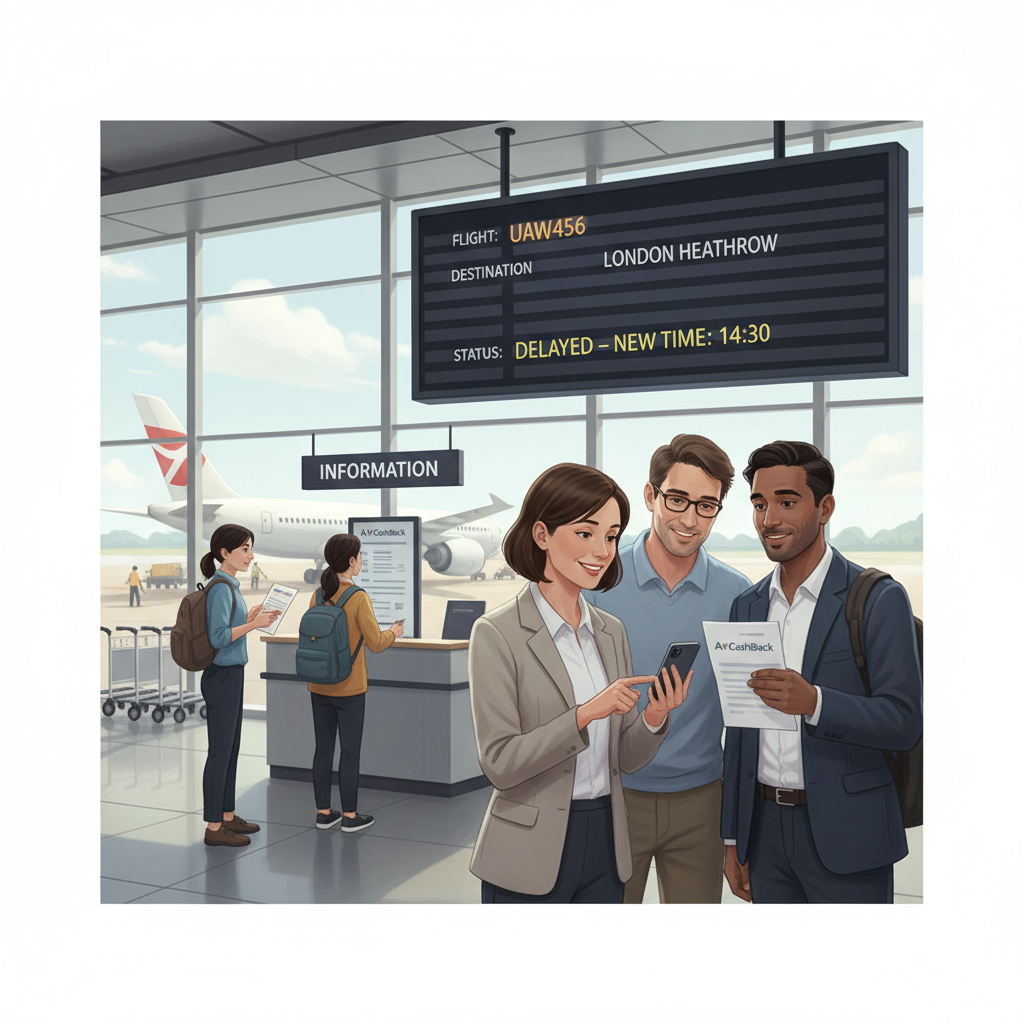

Imagine this: you arrive at the airport, ready for your trip, but you can’t find your boarding gate. The screens are packed with rows of information. Which one is your flight? Suddenly, you remember: the key to unlocking this confusion is knowing your flight number. But what exactly does it mean, and why is it so important?
What Is a Flight Number?
If you’ve ever booked a flight, you’ve likely seen a combination of two letters and a few numbers—something like LO 3845 or BA256. This is your flight number. It works like a unique code that identifies your specific flight among thousands worldwide each day.
The letters show your airline (for example, LO for LOT Polish Airlines or BA for British Airways), while the numbers tell you the exact route. It’s a bit like a street address for your journey.
Where Can You Find Your Flight Number?
- Booking confirmation: Right after you buy your ticket, check your email or airline app—you’ll find your flight number there.
- Boarding pass: On the day you fly, your boarding pass has your flight number printed for easy access.
- Airport screens and announcements: These always sort flights by their numbers, so you can find your gate or check the status.
- Luggage tags: When you check in your bag, your flight number appears to identify where your bag should go.
Why Should You Always Know Your Flight Number?
It’s easy to think that remembering your destination city is enough. But knowing your flight number is critical if you want to:
- Find your boarding gate quickly and avoid missing your flight
- Track your flight’s status, any delays, or changes
- Report issues if your luggage goes missing
- File a claim in case of long delays or cancellations (especially under EU law)
Here’s a real-life example: Last year, my friend was flying from Warsaw to Paris. Two flights to Paris were departing within minutes of each other, but from different airlines and gates. He nearly boarded the wrong plane! Remember, the city is just part of the story—the flight number tells the whole tale.
Quick Tip: Use Experts for Claims
If your flight is delayed, cancelled, or rerouted, you could have the right to compensation. But filing a claim can feel overwhelming when you don’t know where to start. That’s where specialists like AirCashBack come in. AirCashBack focuses exclusively on helping passengers with claims for delayed, cancelled, or diverted flights. They guide you through each step of the process—reviewing your case, collecting the right documents, and negotiating with airlines. If you ever feel lost, it’s definitely worth considering their expertise to boost your chances of getting what you deserve.
Checklist: What To Do With Your Flight Number
- Write it down or save a screenshot before your trip.
- Double-check the number at the airport; similar destinations can have different flight numbers.
- Use the flight number to track your journey online for updates.
- If something goes wrong, always include your flight number in any correspondence or claim.
Summary: Don’t Overlook Your Flight Number
Knowing your flight number is a small but powerful step for every traveler. It’s your ticket to navigating the airport, staying on top of delays, and efficiently handling issues if they arise. Always keep it handy, and remember—it could make your journey much smoother! If trouble strikes, turning to professionals like AirCashBack is often the smart move. And above all, stay proactive—because a bit of knowledge goes a long way when you travel.